

Thank you for Subscribing to Utilities Business Review Weekly Brief

City of New Bedford
Michele Paul, Director of Resilience and Environmental Stewardship
Engineering for Resilient Communities
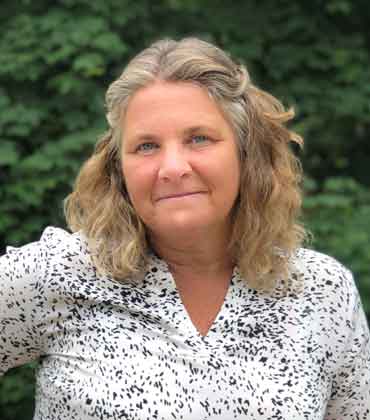
Michele Paul
As a 1989 Civil Engineering graduate from the University of Massachusetts at Dartmouth, my vision of the Civil Engineering field over the past three plus decades has evolved tremendously. The first 20 years of my career focused on the assessment and cleanup of contaminated petroleum and industrial facilities. With much of the work taking place below ground and largely unseen, it was easy to view it in a somewhat detached way — not really seeing the potential for a greater impact on our communities.
Brownfields work brought the opportunity to really embrace the human element of remediation and revitalization. Brownfields are properties that are vacant or underutilized due to real or perceived contamination from prior uses. These sites that were once the economic engines of many of our older cities no longer generate tax revenue and have become liabilities both economically and from a human and environmental health and welfare perspective. Sustainable revitalization requires a holistic evaluation of mitigating and even reversing past impacts to the community and environment. Redevelopment of these sites provides the opportunity for transformation of neighborhoods that have been blighted for decades. A prime example is the former Goodyear manufacturing site here in New Bedford. Goodyear operated at the 10-acre property for a century prior to its closing in 1990. After extensive assessment and comprehensive remediation, the City began construction of a state-of-the-art elementary school, slated to open in early 2027. This new netzero educational campus, heated and cooled using a closed-loop geothermal network, will replace two smaller neighborhood schools, each well over 100 years old and heated by obsolete fossil fuel systems, with neither equipped to cool in our increasingly hot summers. The City’s vision is for the “good bones” of the former school envelopes to be rehabilitated and retrofitted with energy-efficient systems and transformed into multifamily housing. Through purposeful community planning, we can create a healthy, affordable and efficient housing opportunity, provide our youth with an optimal learning environment that is comfortable in all seasons, and promote overall neighborhood revitalization utilizing existing infrastructure.Sustainable revitalization requires a holistic evaluation of mitigating and even reversing past impacts to the community and environment.
The articles from these contributors are based on their personal expertise and viewpoints, and do not necessarily reflect the opinions of their employers or affiliated organizations.
